
How did the Internet begin and how is it evolving?
The Internet did not appear in a day. It grew through decades of work on open protocols, routing and shared global infrastructure.
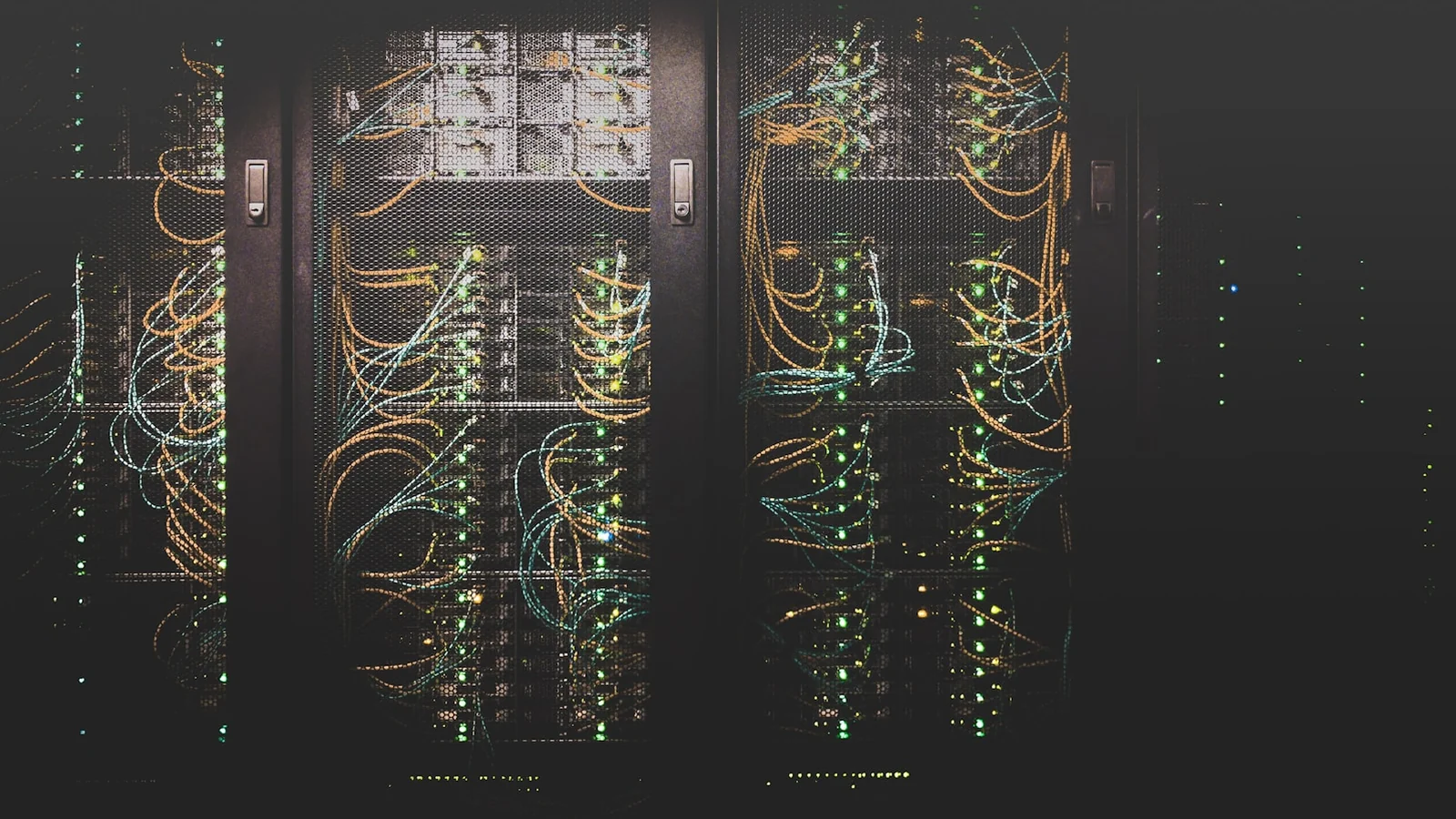
A network of networks
The Internet is not one system or one data centre. It is a collection of independent networks that exchange data using shared rules. Open protocols allow devices from different manufacturers and providers of every size to communicate.
Data travels in packets. Individual packets may take different routes before the destination reconstructs the message. This approach uses available links efficiently and makes the network more adaptable.
From experiments to TCP/IP
Researchers developed packet-switching concepts during the 1960s. ARPANET connected its first university nodes near the end of that decade and became an important testbed for network technology.
Different networks needed a universal way to interoperate. The TCP/IP suite separated responsibilities: IP handles addressing and packet delivery between networks, while TCP provides a reliable ordered stream when an application needs one. ARPANET’s move to TCP/IP on 1 January 1983 is often used as a symbolic milestone for the modern Internet.
DNS made addresses usable
Numeric IP addresses are difficult for people to remember. The Domain Name System maps human-friendly names to technical records. It is hierarchical, moving from the root through top-level domains to records for individual domains.
DNS does not live in one location. Answers are distributed and cached, so changes can take time to propagate. Correct configuration is critical: a DNS failure can make a website, email or API unavailable even when its servers are healthy.
The Web is one Internet service
In the early 1990s, Tim Berners-Lee introduced the World Wide Web: hypertext documents identified by URLs, transferred with HTTP and written in HTML. Browsers made information accessible to a wide audience, and the Web became the most visible part of the Internet.
The Internet also carries email, file transfer, voice and video, naming services, remote administration and specialised protocols. A web page is one service running on top of network infrastructure.
What happens when you open a website
A simplified request looks like this:
- The browser asks DNS for the domain’s address.
- The device connects to the server or a nearby CDN node.
- With HTTPS, both sides establish an encrypted channel and validate the certificate.
- The browser sends an HTTP request.
- The server returns HTML and other resources, which the browser turns into a page.
Within seconds, the path may involve a home network, mobile operator, several transit providers, a DNS service, a CDN and a cloud platform.
Where the Internet is heading
Development continues in several directions: wider IPv6 deployment, faster mobile and satellite links, edge computing closer to users, encryption for more traffic and automated infrastructure management.
Higher speed also increases the need for resilience. Redundant routes, multiple availability zones, secure DNS, protocol updates and supply-chain controls matter as much as raw bandwidth.
Why open standards matter
The Internet grows through interoperability. Open specifications allow teams to create new services without seeking permission from a single network owner. Responsibility remains distributed: providers manage routes, domain operators manage DNS, and product teams manage applications and data.
Understanding these layers helps teams diagnose failures and design services without a single point of dependency.
Continue reading
Related articles

What to know before developing a website
A good website begins with a clear problem, user journeys and a plan for ongoing operation — not with colours or a framework.
Read article New article
Pegasus spyware: how it works and how to protect your phone
Pegasus targets selected phones and may require no action from the owner. Here is a calm, evidence-based guide to risk and response.
Read article
The most common cyberattacks in 2024
A retrospective look at 2024 threats and the defensive practices that remain useful for teams and organisations.
Read article